
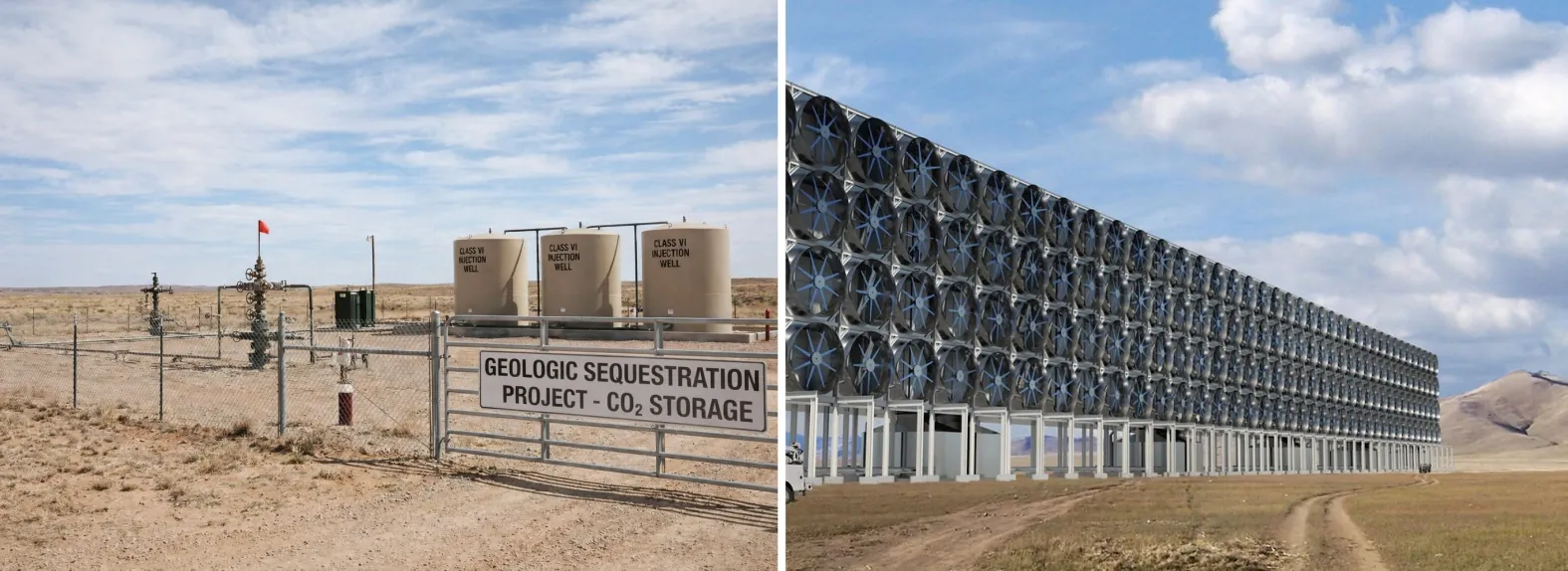
Carbon capture developers facing multi-year federal permitting delays may soon have a faster path forward. New Mexico is proposing state-specific rules that could slash Class VI underground injection well approval times from years to approximately six to eight months—a potential game changer for project economics, investment decisions, and the state’s competitiveness in the growing carbon capture and storage industry.
If adopted, these rules would enable New Mexico to assume “primacy” from the U.S. Environmental Protection Agency (EPA) over the Class VI Underground Injection Control (UIC) program for geologic sequestration of carbon dioxide. The result: faster, more predictable permitting while maintaining strong protections for groundwater, managing seismic risks, safeguarding landowner rights, and ensuring robust community input.
Why This Matters
This development marks a major inflection point for carbon capture in New Mexico.
State-led permitting could:
- Attract investment and jobs by providing regulatory certainty and a more efficient approval pathway;
- Improve access to federal incentives and private funding for large-scale carbon sequestration projects; and
- Support emissions reduction goals and broader energy transition objectives without compromising environmental protections.
For developers and investors weighing where to site projects, New Mexico’s move toward primacy signals a state committed to being a leader in this space.
What the Proposed Rules Include
The proposed rules—19.15.41 NMAC (Procedures for Decision Making), 19.15.42 NMAC (Underground Injection Control Program), and 19.15.43 NMAC (Underground Injection Control Program: Criteria and Standards)—closely align with federal Class VI UIC standards while incorporating provisions tailored to state priorities.
Key elements include:
- Enhanced water resource protections;
- Seismic risk management requirements;
- Landowner rights safeguards; and
- Expanded public participation opportunities.
These rules emerged from extensive stakeholder engagement involving regulators, legislators, industry representatives, and community groups, resulting in strengthened technical requirements and greater transparency.
What Happens Next
The New Mexico Oil Conservation Division (NMOCD) formally submitted the proposal to the Oil Conservation Commission (OCC) on December 22, 2025. The Commission initiated the public hearing process, with a status conference scheduled for February 12, 2026, in Case No. 25875. Additional steps will include public comment periods and potential evidentiary hearings.
The docket for Case No. 25875 is available on the OCD website, where you can access filings, hearing notices, and docket entries for the rulemaking proceeding.
Contact Us
Beatty & Wozniak has deep experience guiding clients through Class VI UIC permitting, regulatory strategy, stakeholder engagement, and energy infrastructure projects from North Dakota to Texas. Whether you are exploring carbon capture opportunities in New Mexico, considering involvement in this rulemaking, or preparing a future Class VI application, we can help you navigate the process and what these proposed changes mean for your projects.
For more information, please contact Miguel Suazo or Raj Lahoti.