
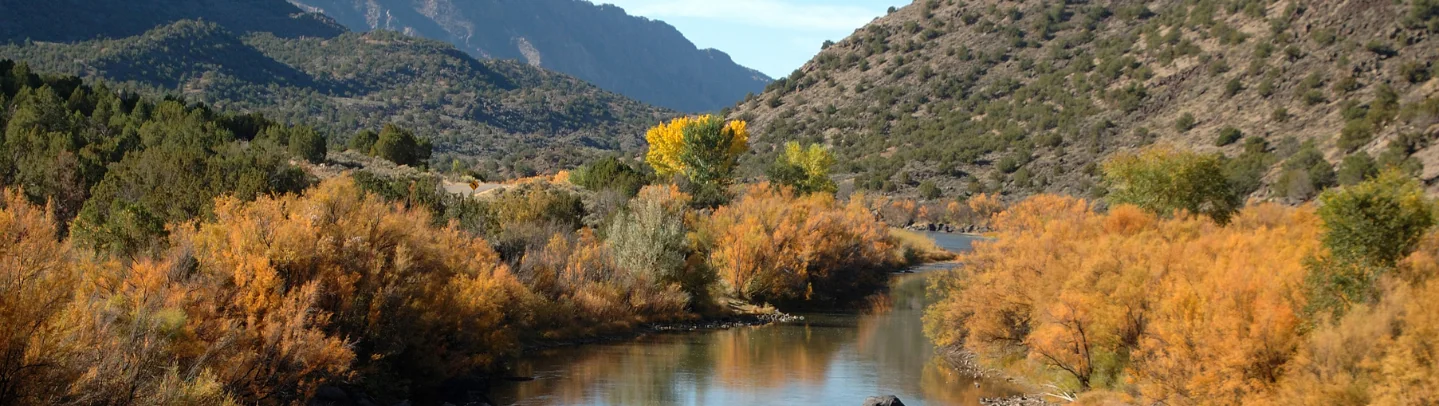
The U.S. Supreme Court recently accepted a settlement ending the 13-year Rio Grande dispute involving New Mexico, Texas, and the federal government. The conflict followed a series of droughts and lawsuits over the division of Rio Grande water. In 2013, Texas brought the dispute to the U.S. Supreme Court, alleging that New Mexico’s groundwater pumping connected to farming and development along the Rio Grande violated the interstate compact and could result in damages totaling $1 billion. After more than a decade of negotiation, the states struck a four-part settlement in August 2025 that finally puts the water-accounting dispute to rest.
The settlement establishes new rules for Rio Grande’s water use below Elephant Butte, including a 57%-43% division of irrigation water, with the larger share going to New Mexico farmers. It also requires New Mexico to reduce groundwater pumping in the Lower Rio Grande by 18,200 acre-feet within the next ten years. To support implementation, the New Mexico Legislature approved more than $22 million for state water officials to retire irrigated farmland, improve water conservation, and increase monitoring. State officials characterize the changes as affording more “breathing room” considering the time and flexibility to meet new obligations without derailing agriculture or economic growth. But the obligations are real and the clock has already started.
This settlement rewrites the water playbook for every company relying on groundwater in southern New Mexico. Securing water just got harder and project delays are more likely. Moving forward will mean:
- Working directly with the New Mexico Office of the State Engineer
- Filing and defending applications for groundwater permits
- Facing opposition to both existing and prospective water rights
- Navigating senior water rights that now carry even more weight
- Operating within tighter limits on groundwater withdrawals
The rules have changed. Companies that move first and with the right legal team will be the ones still moving projects forward. Our team is ready to help you navigate the new landscape and protect your water rights. Contact us today. For more information, please contact Miguel Suazo, Devon Bell, or DeAnza Valencia.